Check the Label
Begin with the garment's care instructions. Verify washing temperature, machine or hand-washing requirements, drying method and any restrictions.
The way you care for your essentials is part of how you wear them.
From everyday training layers to technical running apparel, thoughtful washing, drying and storage habits help maintain the appearance and condition of your favorite pieces.
Discover a practical approach to garment care, guided by fabric construction, clothing labels and the details that deserve a little extra attention.
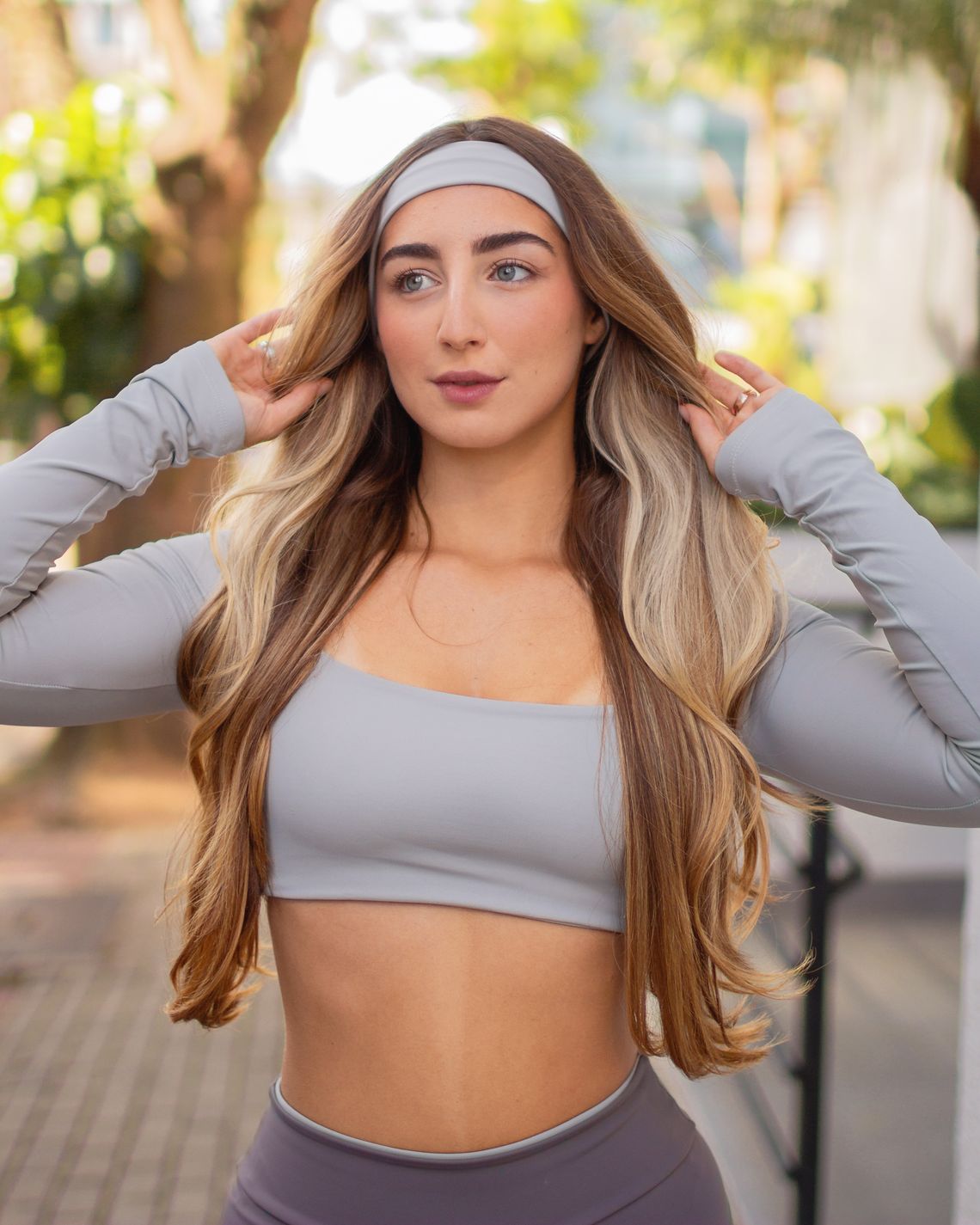
Good garment care begins with understanding what you own, not applying the same routine to everything in your wardrobe.
Your activewear moves through training sessions, recovery days and everything between. A considered care routine helps it remain ready for whatever comes next.
01 / Read firstEvery garment has its own material composition and construction. Its attached care label is the primary instruction source.
02 / Adapt your routineWashing and drying decisions should reflect the garment's label, finish, elasticity and special details.
Four practical habits for approaching everyday activewear care with greater consistency.
Begin with the garment's care instructions. Verify washing temperature, machine or hand-washing requirements, drying method and any restrictions.
Separate garments by color and care requirements. Fasten closures, check pockets and turn items inside out when appropriate.
Select the wash method and water temperature specified by the label. Avoid overcrowding the machine so garments can move freely.
Follow the specified drying instructions, allow items to dry completely and store them in a clean, appropriate space.
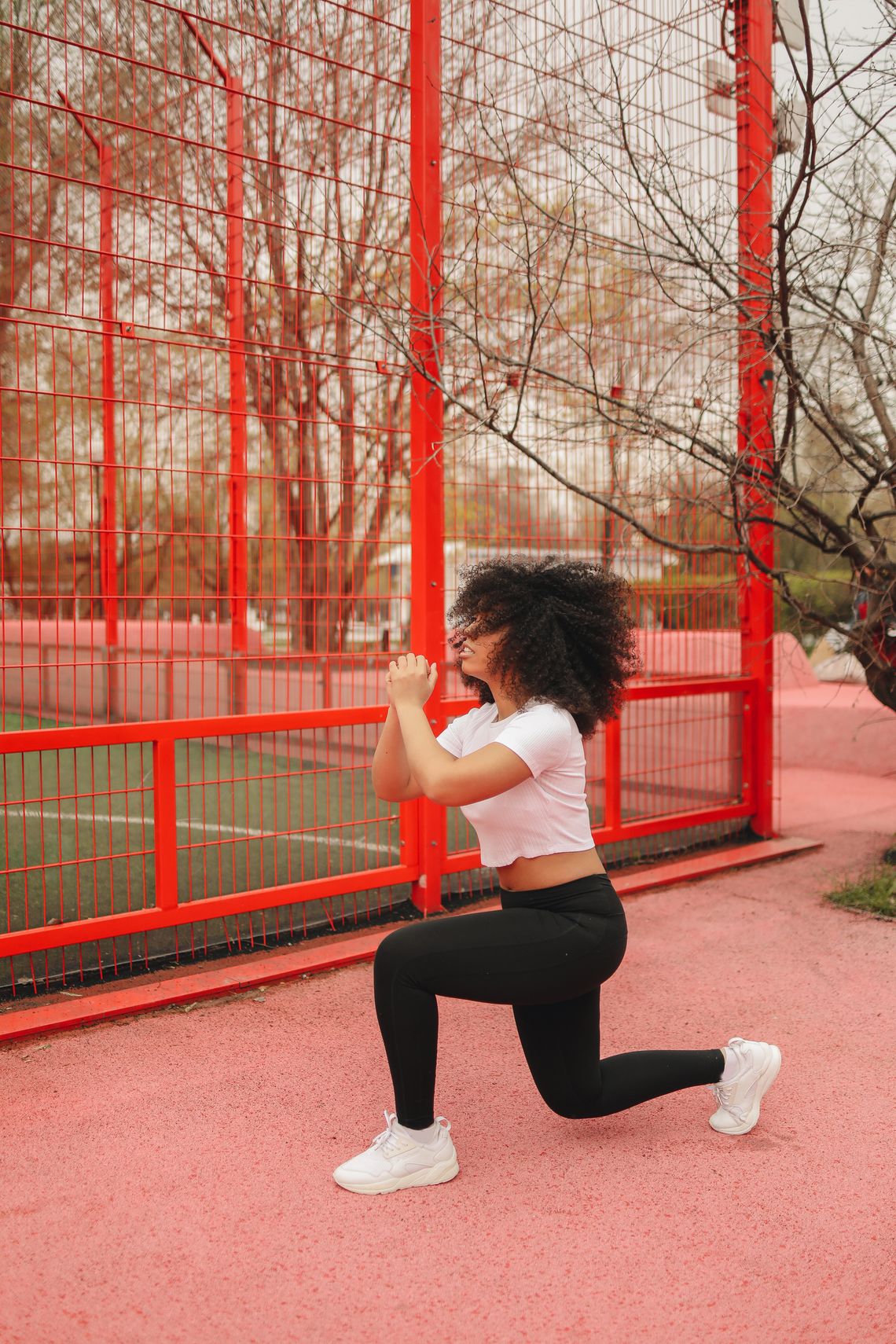
Activewear often combines different fibers, stretch components, linings and finishes. Choosing a suitable wash routine helps reduce unnecessary wear from laundering.
Before placing a garment in the wash, review its label and prepare it for the specific treatment it requires.
Cool water may be suitable for many pieces, but always use the temperature permitted or specified on the care label.
Use a gentle cycle where recommended. Delicate pieces may require hand washing or additional protection.
Choose a compatible detergent and follow dosage guidance. Extra detergent is not necessarily more effective.
A suitable mesh laundry bag can help protect delicate items when machine washing is permitted.
A little preparation before washing can help limit avoidable snags, color transfer and friction between garments.
Keep light, dark and potentially color-bleeding garments apart, especially during early washes.
Secure zippers, hooks and closures where appropriate to reduce contact with delicate fabrics.
Consider washing technical apparel separately from rough-textured items, heavy denim and exposed hardware.
Check for loose components, visible damage and stains requiring garment-compatible treatment.
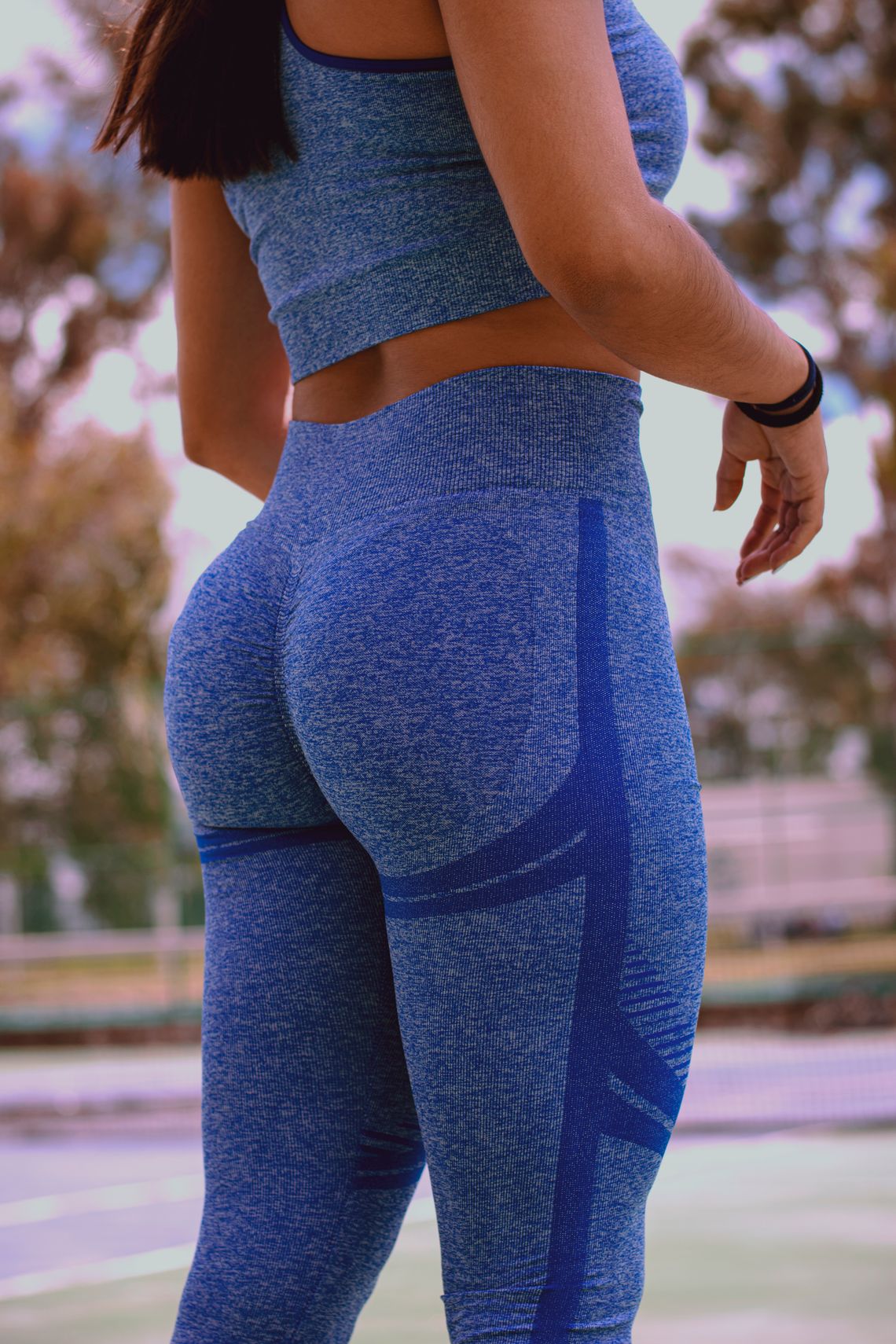
Fiber content is a useful starting point, but blends, finishes, dyes and construction also influence appropriate care.
Review heat restrictions carefully and avoid assuming stretch garments tolerate high-temperature drying or ironing.
Requirements depend on the exact textile, treatments and garment construction, not the fiber name alone.
Check the label for washing temperature and any shrinkage-related precautions, especially with different weights and finishes.
Follow garment-specific guidance to limit unnecessary abrasion, pilling and inappropriate heat exposure.
Some wool garments require specialized cycles, detergents or hand washing to reduce felting or distortion.
Outerwear may contain membranes or specialized finishes. Check dedicated cleaning requirements before applying treatments.
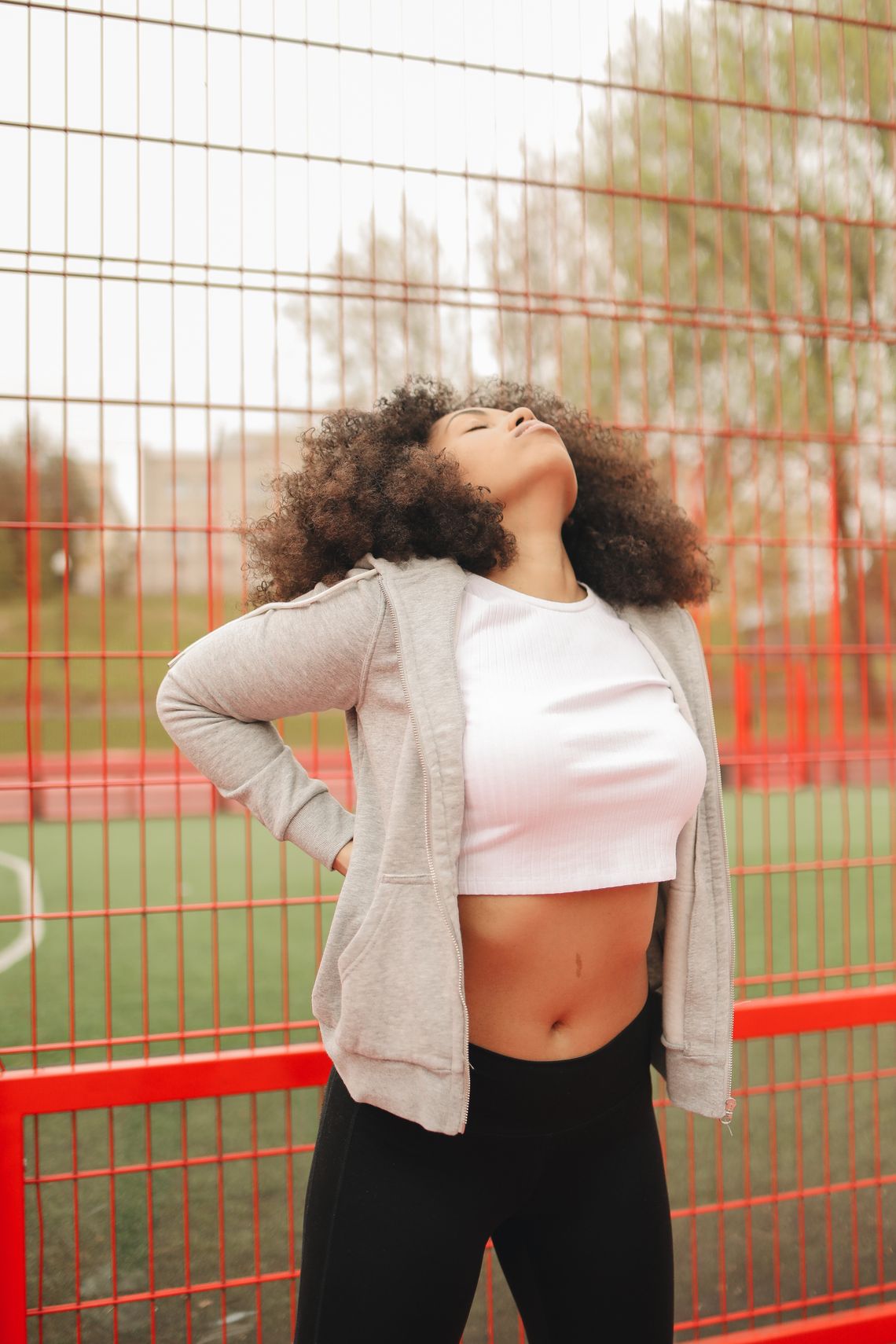
Support components, seams, linings, decorative details and closures can all influence the appropriate washing method.
Review instructions for elastic components, padding and closures. Follow product guidance for any removable pads.
Pay attention to stretch panels, seams and care restrictions of compression or specialty construction.
Check mesh, liners, prints, reflective details and pockets before washing or drying.
Review guidance for shell materials, coatings and weather-protection finishes.
Coordinated pieces may have separate labels. Treat each component as instructed.
Drying can affect fabric appearance, shape and construction. Choose a method based on the care label rather than convenience alone.
If the label specifies line or flat drying, use that method and support the garment appropriately.
When tumble drying is allowed, follow the indicated temperature and cycle requirements.
Avoid heat and direct sunlight when the garment instructions or construction make them unsuitable.
Before folding and storing, make sure clothing is dry to help avoid trapped moisture and odors.
Recognizing common care-symbol families makes labels easier to interpret. Exact markings determine what is permitted.
Additional numbers, bars or markings indicate permitted washing temperatures and methods.
A circle in a square refers to tumble drying; markings provide method and temperature restrictions.
The triangle and its additional marks communicate whether bleaching is permitted.
Dots or crossing marks indicate ironing temperature limitations or prohibition.
Use this reference to identify information worth checking before caring for different activewear pieces.
Elastic, removable padding, hooks and wash requirements.
Heat restrictions and padding treatment.
Stretch composition, seams, prints and specified cycle.
Permitted method and restrictions on heat.
Mesh, graphics, fiber content and wash temperature.
Drying method, graphics and ironing limits.
Linings, drawstrings, pockets and fasteners.
Shape-preserving guidance and drying method.
Shell construction, linings, coatings and specialist cleaning.
Permitted drying and finish care.
Fiber type, texture, lining and gentle-cycle requirements.
Heat restrictions and drying position.
Instructions for each piece, stretch panels and closures.
Individual drying instructions.
Not every garment responds well to the same treatment. Reconsider these habits when maintaining activewear.
Heat may affect elastic fibers and finishes. Use temperatures permitted by the care label.
Very full machines can limit movement and rinsing. Follow machine loading guidance.
Do not assume bleach, fabric softener or specialized agents are appropriate for every performance garment.
Separate garments when care requirements, colors or textures are incompatible.
A clean, organized wardrobe keeps your essentials ready for everyday movement.
Ensure clothing is fully dry before placing it in drawers, bags or enclosed storage.
Choose storage suited to the garment's weight, shape and construction.
Use a clean, suitably dry area away from damaging conditions.
Check seams, elastic components, closures and visible wear before your next session.
Sweat, stains and repeated wear can introduce additional care considerations.
Avoid keeping damp workout garments tightly packed for extended periods. Allow ventilation until laundering is possible.
Check care instructions, detergent dosage, machine cleanliness and rinsing. Use only compatible specialty products.
Identify the stain and use garment-safe treatment. Test unfamiliar products inconspicuously where appropriate.
A concise reminder of the checks worth making before and after every laundry session.
Complimentary shipping on every product.
Our stated order delivery timeframe.
Free returns and exchanges within 30 days.
Customer support around the clock.
Straightforward answers about washing, drying and maintaining your activewear wardrobe.
An intentional activewear wardrobe is built around the pieces you choose, how they fit your routine and how you care for them between sessions.
Discover athletic essentials for training, running, court sports and everyday movement.
The best care approach is informed by the specific garment. For questions about care instructions, products or orders, our support team is available 24 hours a day, seven days a week.