Easy-Day Essentials
A comfortable training tee or tank with shorts or tights, chosen for your usual route and preferred coverage.
Every run begins with the way you move.
From early miles on quiet streets to training sessions on the track and changing conditions on the trail, your clothing should suit your environment and your personal preferences.
Explore running tops, shorts, tights, sports bras, windbreakers and thermal layers through a practical, editorial approach to fit, coverage and layering.
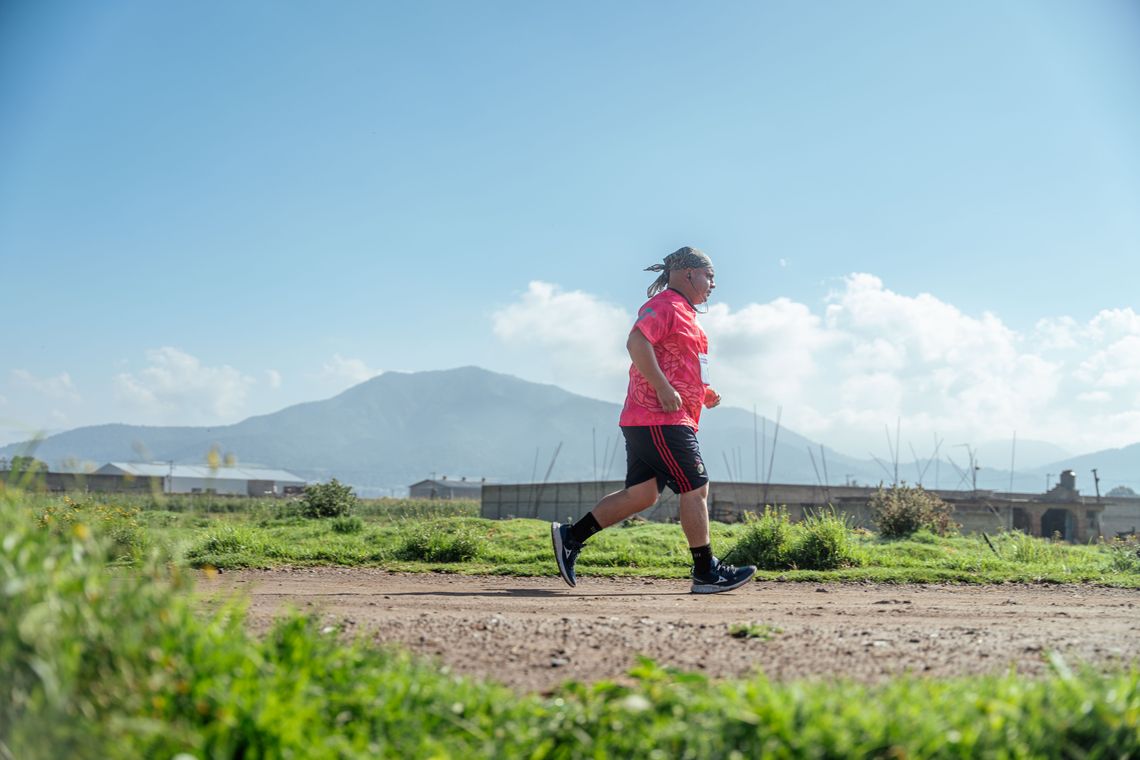
There is no single uniform for running. Your route, the weather, and your personal fit preferences determine which details deserve attention.
Consider the run first. Then choose the pieces that feel right for its pace, conditions, and purpose.
Use product-specific measurements and construction details rather than assuming every top, short or jacket has the same performance characteristics.
For outdoor activity, match clothing choices to the forecast and conditions, and take appropriate precautions beyond apparel when necessary.

Tops are the first layer of a running outfit. Some runners prefer a close-fitting tee; others enjoy the airier shape of a tank, singlet or relaxed training shirt.
When comparing garments, review fabric composition, neckline, sleeve length, intended fit and any claimed moisture-handling features. A familiar label is not a substitute for the actual product description.
Check the cut, overall length, and material information; choose the level of coverage you prefer.
Review sleeve coverage and layering comfort for cooler runs or personal sun-coverage preferences.
Compare fit measurements and any specifically stated support level for your intended activity.
Running bottoms vary in rise, inseam, coverage, waistband construction and any included lining. The right choice depends on your preferred feel and how you move.
Compare inseam, leg opening and waistband. Confirm any pocket or liner details in the individual listing.
Check whether a fitted inner layer is included, and compare its length with the outer layer.
Review inseam, rise, construction, fit notes and intended fabric characteristics.
Consider tapered or relaxed silhouettes for warm-ups, easier sessions and changing temperatures.

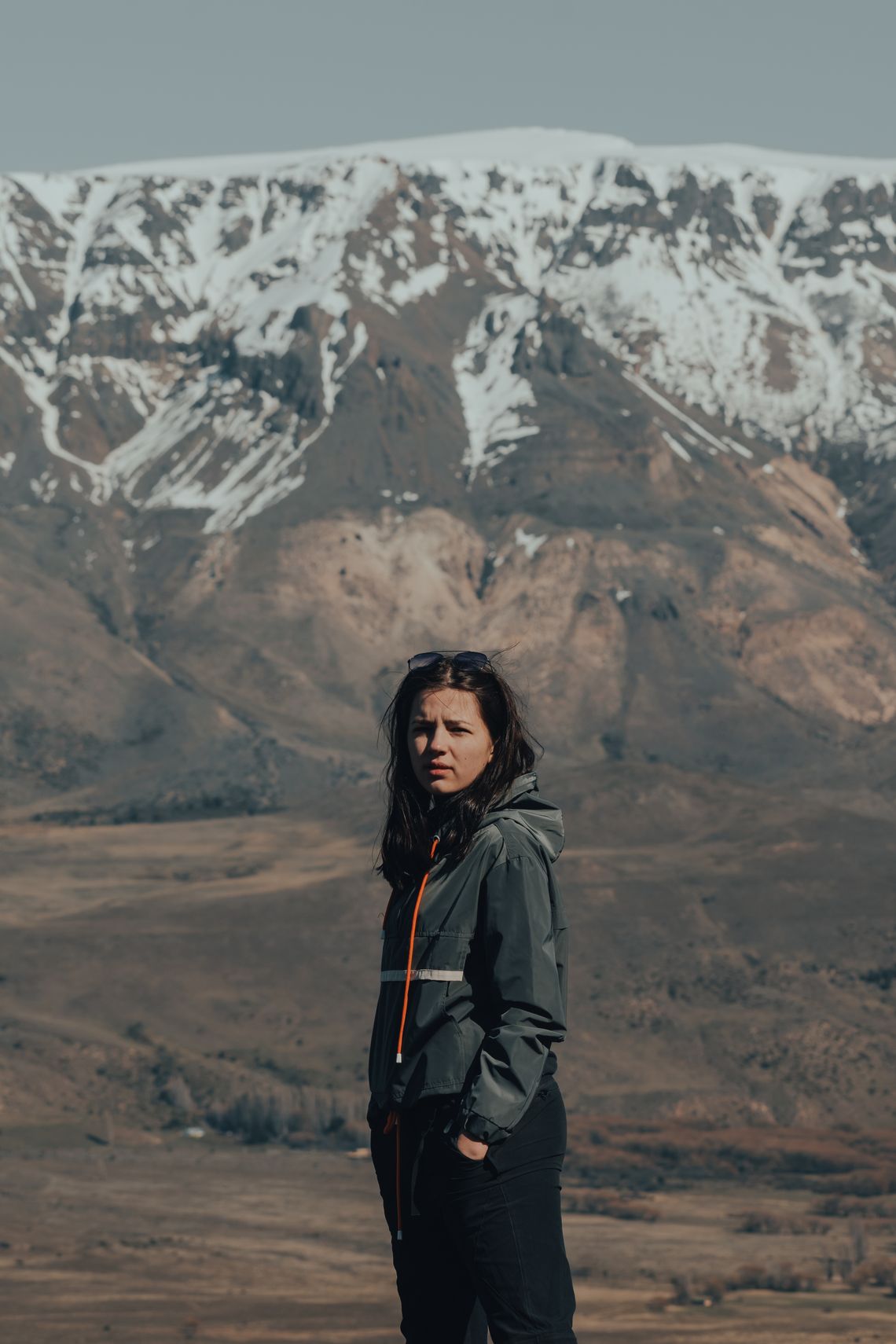
Outdoor runs introduce changes in temperature, wind and precipitation. Layering allows you to adapt your clothing choices, but its effectiveness depends on the properties of the individual garments.
Check what is actually stated about a jacket or thermal layer, and avoid assuming a garment is waterproof, windproof or reflective unless the product explicitly describes those features.
Start with a top suited to the temperature, intended fit and garment materials.
Add an appropriate insulating layer where conditions call for warmth, checking specific construction.
Review stated coverage, closures, packability and protection features where available.
The weather changes the decisions you make. Use these prompts to review garment features, not as precise temperature prescriptions or safety guarantees.
Preferred coverage, fabric feel, fit and comfort.
Composition and any explicitly stated sun-related features.
Long sleeves, a suitable base layer or optional outer layer.
Garment material, length and construction.
Extra coverage and a jacket designed for the conditions.
Any stated wind-protection properties.
Weather-appropriate outerwear and a safer route choice.
Whether water-resistance or waterproofing is actually claimed.
Visibility and route safety, in addition to comfortable apparel.
Specific reflective details where listed; use suitable external visibility measures.
Trails can involve changing terrain, elevation and exposure. Your clothing should reflect the conditions of your route, while equipment and route planning require their own attention.
Compare shorts and tights for coverage, consider an extra layer where appropriate, and check how the fit feels when moving uphill or on uneven ground.
Consider how much leg and arm coverage you prefer for the expected environment.
Review layer choices against the forecast rather than relying on a single fixed outfit.
Check waistband stability and freedom to step, climb and move comfortably.

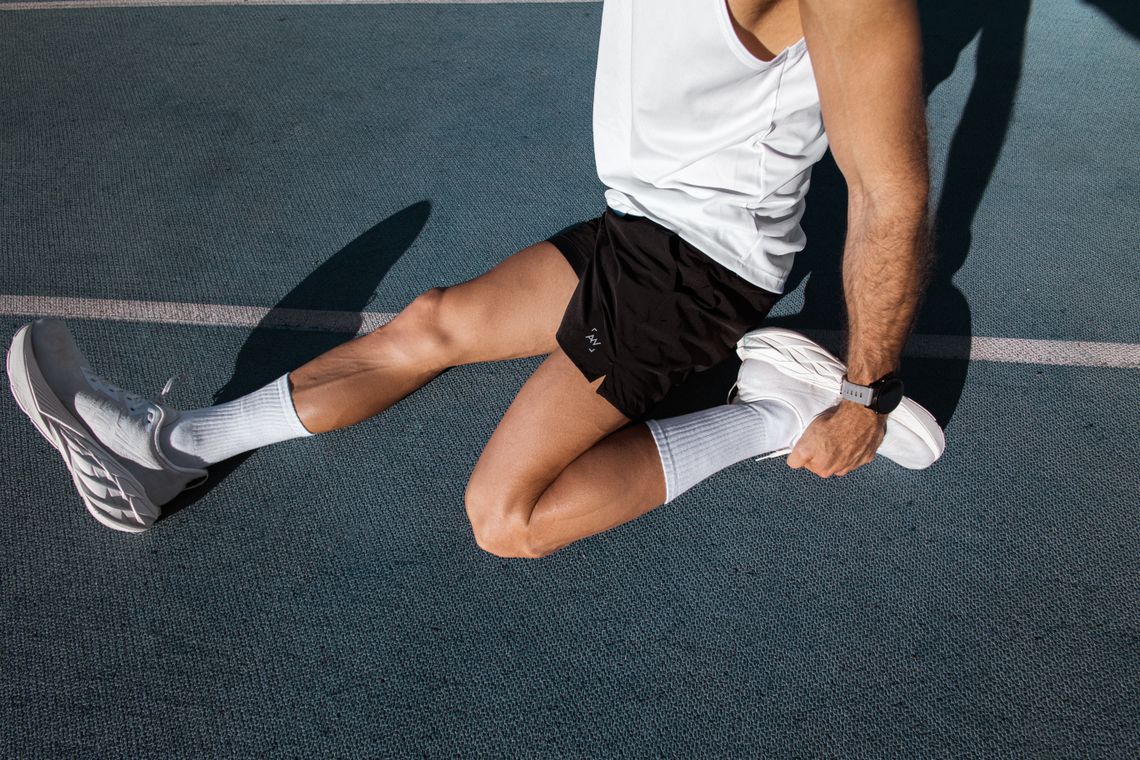
Before choosing a new running piece, use this short review to focus on practical fit rather than appearance alone.
Use the item-specific size chart and available dimensions.
Consider ease through the shoulders, waist, hips and legs as relevant.
Check sleeve length, inseam, neckline and preferred fit.
Confirm pockets, closures, support or technical properties in the listing.
Check the garment label for washing and drying guidance.
Different days call for different choices. These combinations are inspiration; check each product's individual suitability.
A comfortable training tee or tank with shorts or tights, chosen for your usual route and preferred coverage.
Running shorts or tights paired with a top and, where appropriate, a sports bra designed for the intended activity.
A base top, suitable bottoms and an optional jacket or fleece layer informed by the forecast and garment features.
Different fabrics, coatings and garment constructions can require different care routines. The attached care label is the primary reference for every item.
Check washing temperatures, drying guidance and garment-specific instructions.
Consider fabric type, color and construction before washing.
Do not assume all performance fabrics tolerate the same heat or drying method.
Keep cleaned, fully dry clothing appropriately stored.
Complimentary shipping on all products.
Our stated order delivery timeframe.
Free returns and exchanges within 30 days.
Product and order help around the clock.
A practical reference for fit, layers, product features and care. Specific garment details always take precedence over general advice.
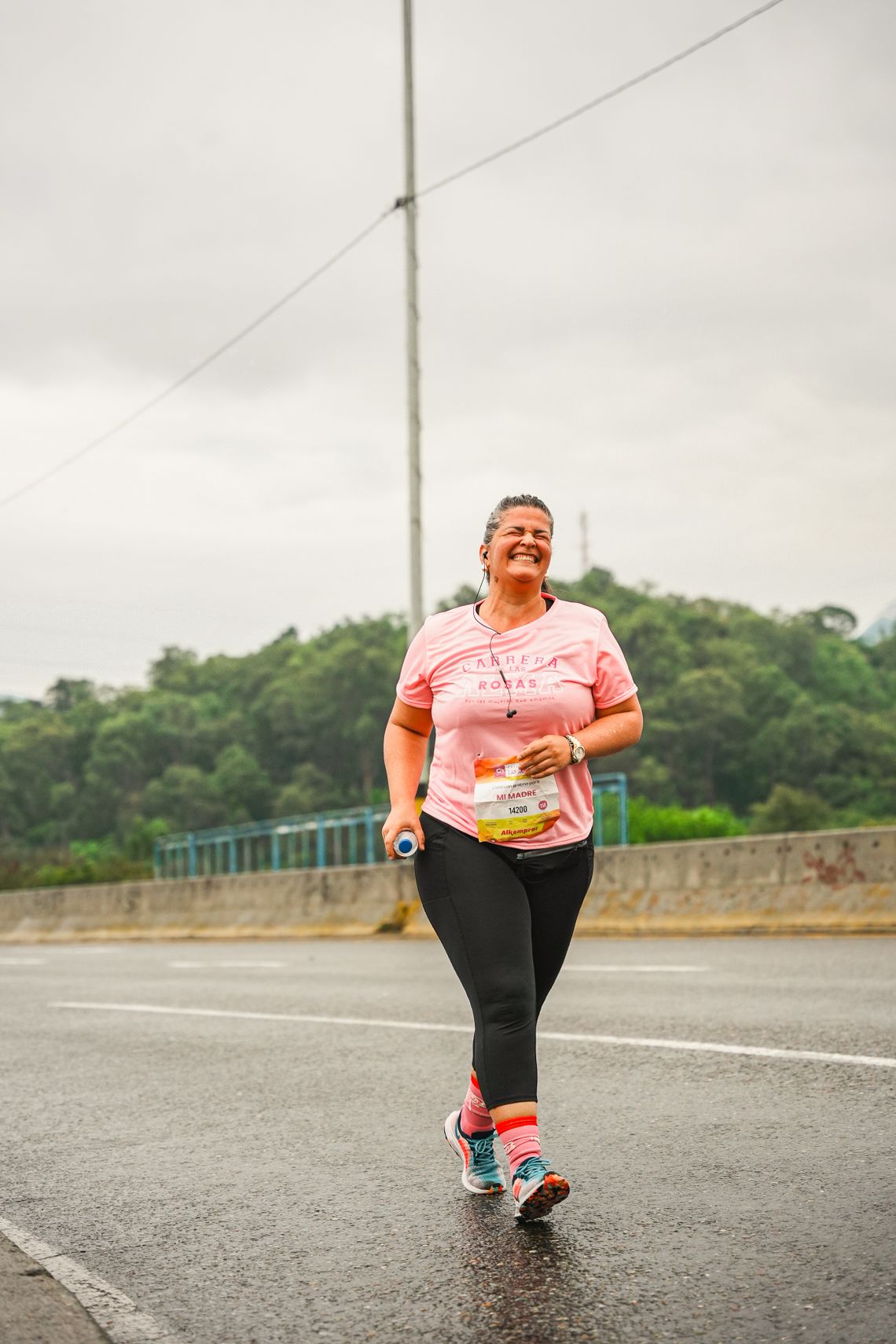
From your first running outfit to a new layer for a familiar route, the right choice begins with understanding the details that matter to you.
Need help comparing sizes, checking a listed feature or understanding an existing order? Stravena support is available 24 hours a day, seven days a week.